






Are you a school, church, or non-profit organization with 10 or more children looking to visit the Orlando Parks? There are Youth Group Tickets available for you then.

QUESTIONS? CALL (888) 206-6040
DISCLAIMER: If you receive a sales or robo-call from a company identifying as “Orlando Welcome Center” please know that it is not our company. Our company does not engage in sales calls or robo-calls. We will only contact you if we have questions related to an order you have already placed with our company. Thank you.
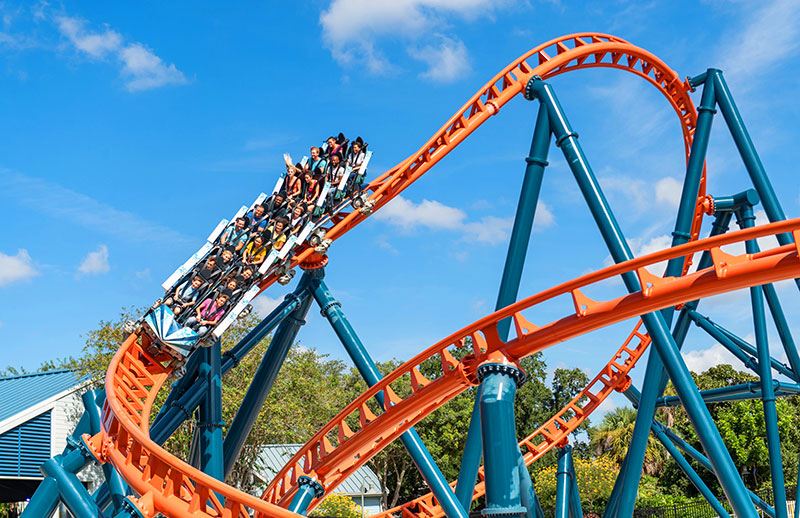
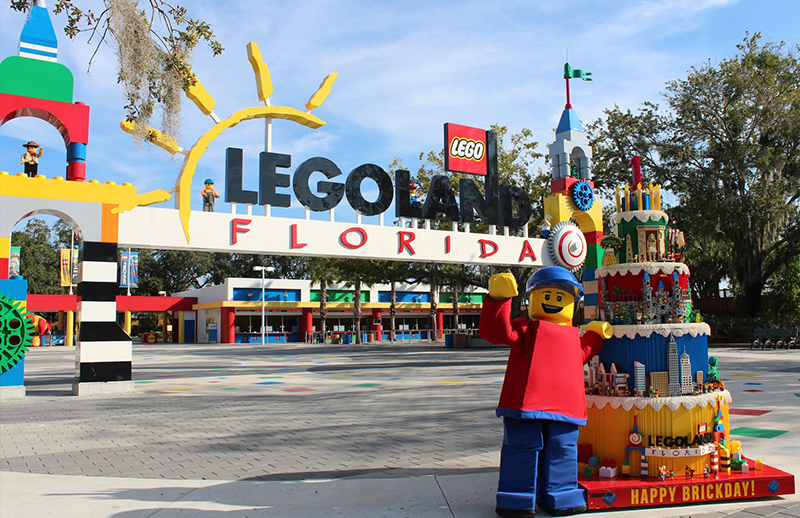
Walt Disney World® Resort – Universal Orlando Resort – SeaWorld – Busch Gardens – Legoland Florida – Kennedy Space Center – ICON Park – Orlando City Soccer
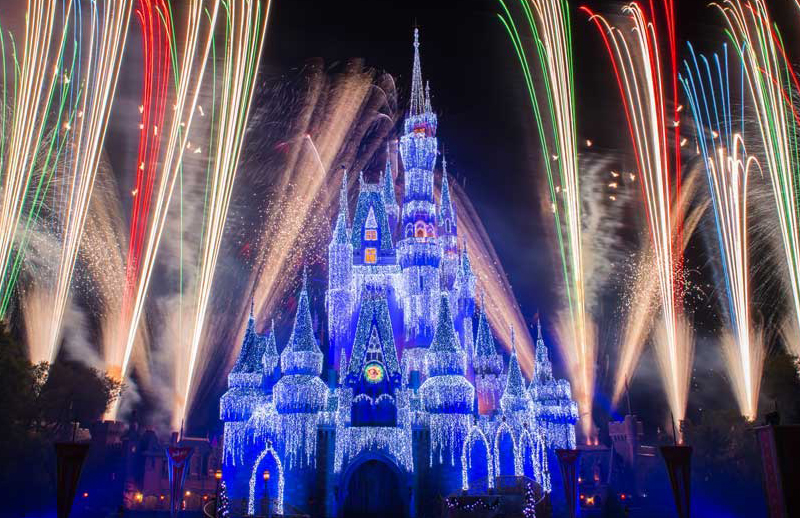
Magic Kingdom® Park – Epcot® – Disney’s Animal Kingdom® Park – Disney’s Hollywood Studios® – Disney’s Blizzard Beach Water Park and Disney’s Typhoon Lagoon Water Park
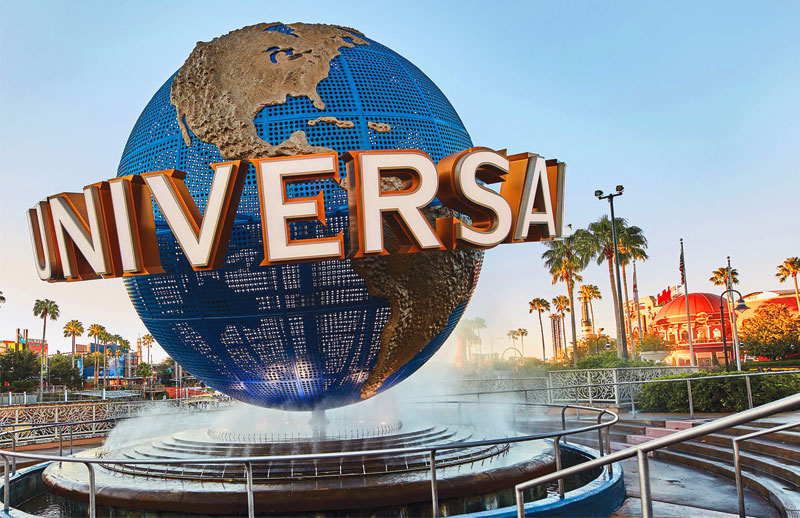
Universal Studios Florida – Universal’s Islands of Adventure – Universal’s Volcano Bay
Aquatica – Discovery Cove and More!